
Asian gamefowl performance guide explains how regional traits shape pace control plus striking rhythm. Members can compare physical markers with movement evidence across several match phases during structured review. Alo789 supports disciplined review through practical criteria built for consistent evaluation.
Regional traits create uncommon competitive signatures
The Asian gamefowl performance guide begins with regional traits because selective breeding shapes posture speed stamina plus preferred striking distance for comparison. Thai lines often display patient footwork before sudden pressure while Filipino strains favor sharper entries followed by compact recovery. These distinctions help users classify likely tactical behavior before later evidence confirms or challenges the initial profile during analysis.
Indian Asil types usually present heavier frames with deliberate attacks built around balance plus forceful pressure during close exchanges. Vietnamese strains often combine agile pivots with persistent center control while Burmese lines can favor quick directional changes. Members using Alo789 can apply the Asian gamefowl performance guide when comparing regional tendencies with actual performance rather than treating ancestry as automatic proof.
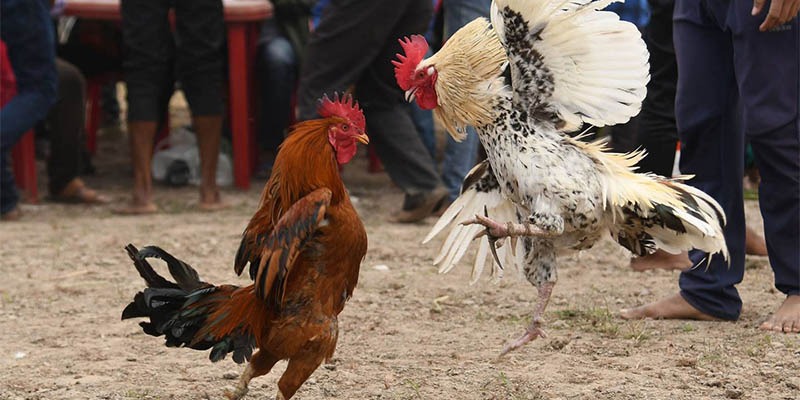
Regional traits explain distinct pace choices before decisive exchanges
Asian gamefowl performance guide for physical markers
Physical indicators reveal likely movement capacity before competitive rhythm becomes fully visible across repeated exchanges through early assessment. Each marker should support comparison rather than replace direct evidence from posture recovery plus controlled motion during review. Users should review connected traits because isolated measurements rarely explain complete performance across changing pressure shifts with consistent accuracy.
Frame balance
A balanced frame supports stable direction changes during rapid engagement while reducing wasted motion after contact under pressure. Chest depth may influence breathing efficiency when repeated pressure extends beyond early exchanges across prolonged physical sequences under strain. Leg placement can reveal whether forward drive remains controlled after forceful impact or sudden lateral adjustment near boundaries.
Shoulder structure
Broad shoulder alignment can support stronger wing drive during upward movement without forcing excessive body rotation through contact. Narrower alignment may favor quicker retraction after short attacks while preserving a compact defensive shape against close pressure. Players should compare shoulder motion with recovery speed because static width alone cannot confirm practical striking efficiency during exchanges.
Asian gamefowl performance guide
The Asian gamefowl performance guide treats muscle definition as one useful signal within a broader physical profile during assessment. Firm thigh development can support explosive acceleration across short distance while helping posture remain stable during contact sequences. Excess bulk may reduce turning speed when repeated pivots demand quick redirection near the center during sustained exchanges.
Feather condition
Smooth feather coverage often reflects careful preparation plus stable physical condition before demanding competitive activity begins under sustained stress. Damaged wing feathers can reduce lift control when angled movement requires precise upward balance during sudden directional turns under pressure. Members should separate cosmetic wear from structural damage because surface appearance alone may exaggerate minor concerns during review.
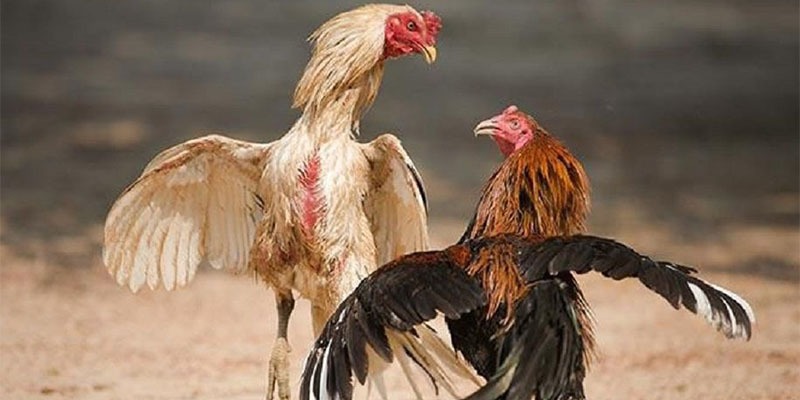
The Asian gamefowl performance guide highlights connected physical signals
Tactical rhythm appears through repeated motion
The Asian gamefowl performance guide becomes more useful when physical traits connect with actual movement sequences across several exchanges. Rhythm analysis focuses on timing between approach contact retreat plus renewed pressure without reducing performance to isolated attacks. Alo789 encourages evidence based review across changing phases so early impressions receive proper context during later comparison sessions.
Entry timing
Efficient entry timing reduces exposure during forward movement while preserving enough balance for immediate follow up action after contact. Strong performers usually commit after a visible opening appears rather than forcing contact from poor range positions prematurely. Delayed entry can waste momentum while creating easier counter opportunities near the center line during rapidly shifting exchanges.
Recovery speed
Recovery speed measures how quickly posture returns after contact without leaving the body exposed during renewed close pressure. Faster reset supports repeated attacks while preserving defensive shape through short transitions after sudden impact from close range. Slower recovery can reveal fatigue balance problems or weak positioning when several exchanges produce similar disruption across later phases.
Angle selection
Effective angle selection helps avoid direct resistance during close exchanges while creating cleaner striking lanes near exposed areas. Curved approaches can reduce frontal collision when timing remains accurate through the final step during entry under pressure. Straight movement may remain useful when reach advantage clearly exists plus defensive recovery stays compact after forceful contact.
Pressure control
The Asian gamefowl performance guide defines controlled pressure through central positioning without reckless exposure during repeated attempts to force movement. Skilled specimens alternate short advances with measured pauses while preserving enough balance for sudden redirection near tight boundaries. Continuous rushing often reduces accuracy once breathing rhythm becomes unstable or foot placement loses consistency across repeated exchanges.
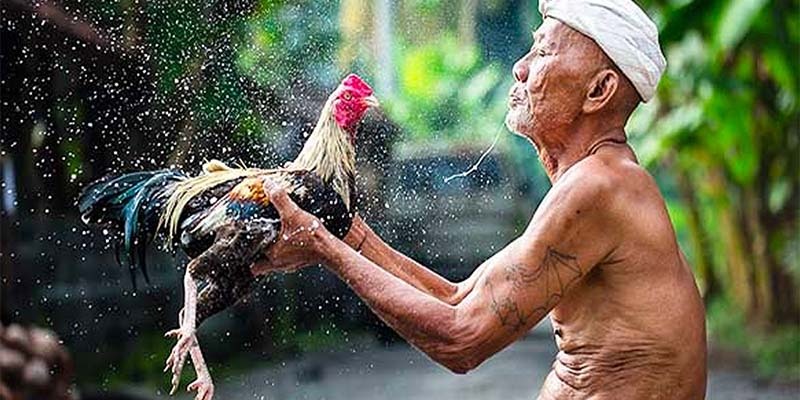
Measured rhythm separates purposeful pressure from wasteful motion
Asian gamefowl performance guide for match phase signals
Phase based analysis in the Asian gamefowl performance guide prevents early impressions from controlling the complete assessment after conditions begin changing through later exchanges. Opening movement middle exchanges plus late endurance should receive separate attention because each period tests different qualities independently. Users can then compare whether performance remains stable across tactical adjustments surface effects plus accumulated fatigue over time.
Opening posture
Opening posture reveals confidence balance plus preferred distance before sustained pressure begins shaping later decisions during early exchanges. Upright positioning may support quick visual adjustment while preserving flexibility before commitment during opening exchanges near center areas. Lower posture can prepare stronger forward drive when immediate pressure becomes the preferred opening pattern near central areas.
Mid phase adaptation
Mid phase adaptation shows whether repeated contact changes tactical choices after familiar approaches repeatedly stop producing clean results. Strong specimens adjust distance timing or angle after failed entries rather than repeating exposed movement patterns under pressure. Weak adaptation appears when the same route produces recurring disruption across several consecutive exchanges without any tactical correction.
Late phase endurance
Late phase endurance depends on breathing control posture stability plus disciplined movement after earlier effort accumulates across exchanges. Efficient performers preserve accurate attacks despite slower pacing while avoiding unnecessary steps during recovery periods under fatigue conditions. Players should notice whether defensive organization remains reliable near the closing period under sustained pressure from repeated contact.
Environmental response
Surface texture temperature plus ring size can alter movement efficiency even when physical preparation appears consistent before entry. Adaptable specimens shorten steps on loose ground while preserving balance through compact turns near restrictive boundaries during pressure. The Asian gamefowl performance guide links environmental responses with earlier indicators so interpretation remains balanced across varied settings.
Conclusion
Asian gamefowl performance guide supports structured comparison through regional traits physical markers tactical rhythm plus phase specific signals. Members gain clearer evidence when several indicators confirm the same pattern across repeated exchanges under changing conditions. Alo 789 offers a practical reference for disciplined review without relying on vague impressions or unsupported assumptions during assessment.